
case 03
Native & UGC Content. Owned end to end.
Client
Wallapop — UGC
Deliverables
Owned set · Recurring character · Multi-format UGC
Timeline
Ongoing Production
Budget
<100€
Campaign
How it was built
How it was built
Low-cost creators
weren't low cost.
Scaling UGC through external creators meant cost grew with volume, quality stayed inconsistent, and every "wow" idea added friction. The output drifted further from the brand with every new piece.
UGC is a channel.
Not an excuse.
Performance needs constant volume. But treating UGC as raw footage from outside hands meant losing control over product, framing and tone — the three things that separate a feed post from a brand asset.
Context
Challenge

A studio disguised
as a living room.
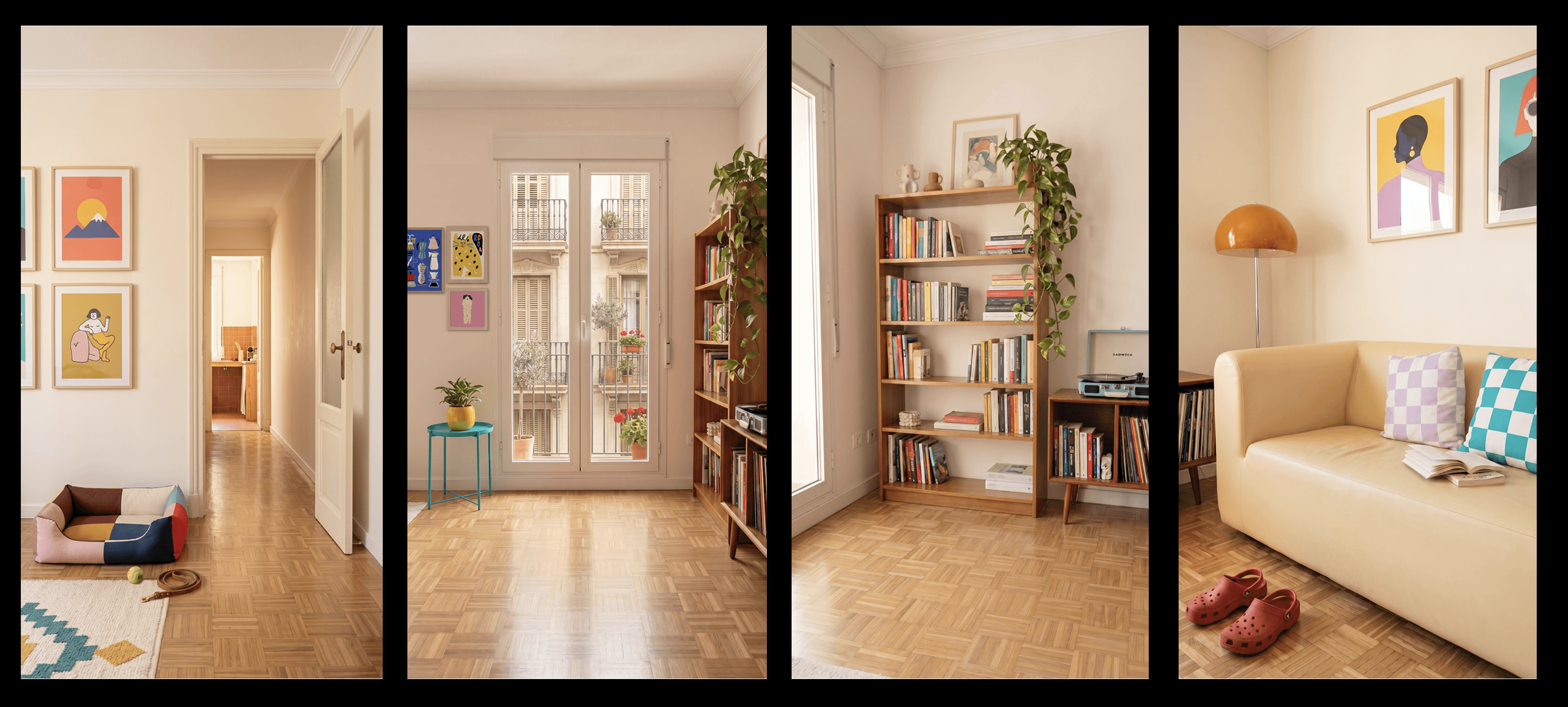
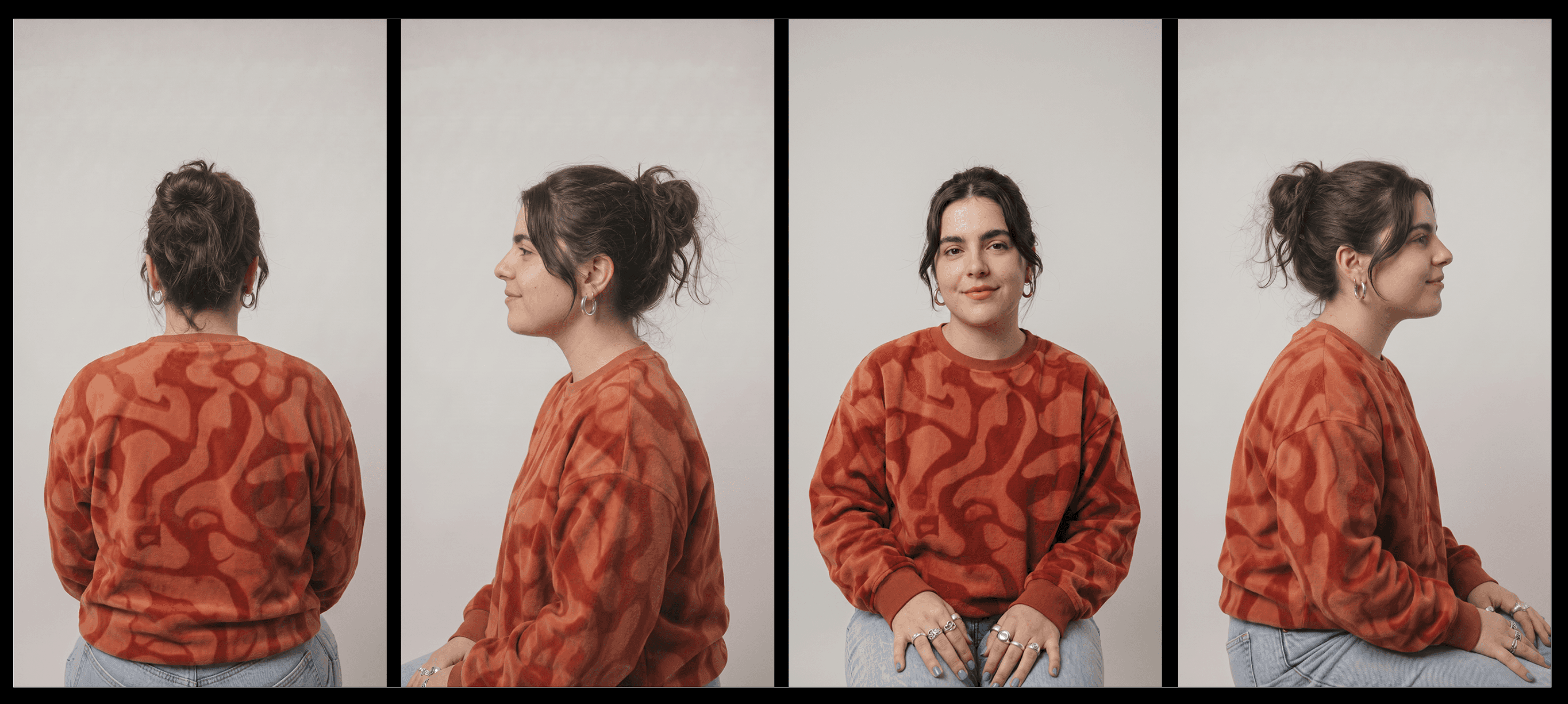
One apartment in Barcelona. One recurring character. One production system. Every shoot is a brand shoot — regardless of whether the final piece looks handheld or styled. The authenticity stays. The variability doesn't.
Concept
The system starts here
1
owned set
4
environments
1
recurring character
This removes creator dependency from the start.
Multiple pieces per shoot
Selling · buying · product focus · lifestyle
Aligned with brand campaigns
same palette · same codes · same world
01
Set
A space built as a brand asset.
02
A person, designed as a system.
03
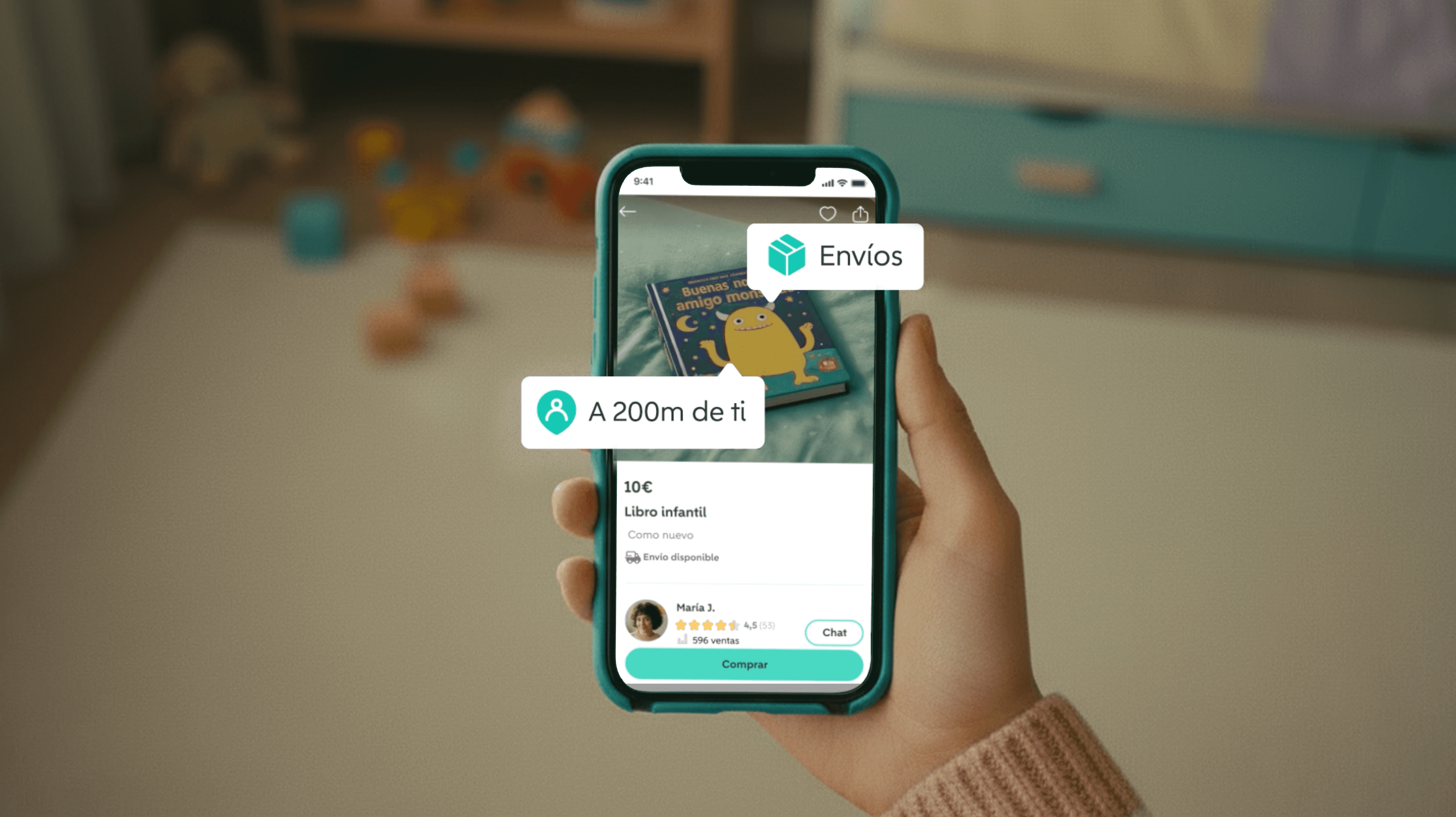
Multiple briefs, one shoot.
The system in 3 beats
Character
Output

The real constraint wasn't authenticity. It was mistaking informality for a lack of system.
A recurring set and a recurring character aren't a production luxury — they're a decision that lowers cost per piece, raises perceived quality, and aligns performance with brand without friction.
Learnings
Native & UGC Content. Owned end to end.
Client
Wallapop — Paid media
Deliverables
Owned set · Recurring character · Multi-format UGC
Timeline
Ongoing Production
Budget
<100€
case 03
Low-cost creators
weren't low cost.
Scaling UGC through external creators meant cost grew with volume, quality stayed inconsistent, and every "wow" idea added friction. The output drifted further from the brand with every new piece.
Challenge
UGC is a channel.
Not an excuse.
Performance needs constant volume. But treating UGC as raw footage from outside hands meant losing control over product, framing and tone — the three things that separate a feed post from a brand asset.
Context
Concept
A studio disguised
as a living room.
One apartment in Barcelona. One recurring character. One production system. Every shoot is a brand shoot — regardless of whether the final piece looks handheld or styled. The authenticity stays. The variability doesn't.
Concept
The system starts here
1
owned set
4
environments
1
recurring character
This removes creator dependency from the start.
Multiple pieces
per shoot
Selling · buying · product focus · lifestyle
Aligned with brand campaigns
same palette · same codes · same world
01
Hook
Real life moment + humorous twist
02
Publish on Wallapop — ease and speed
03
Space, money,
new chapter
The system in 3 beats
Benefit
Close


01
Set
A space built as a brand asset.
02
Character
A person, designed as a system.
03
Output
Multiple briefs, one shoot.
The system in 3 beats
The real constraint wasn't authenticity. It was mistaking informality for a lack of system.
A recurring set and a recurring character aren't a production luxury — they're a decision that lowers cost per piece, raises perceived quality, and aligns performance with brand without friction.
Learnings